Text size
Line height
Text spacing
Emergency Medical Services (EMS) are a type of emergency service dedicated to providing out-of-hospital acute medical care and/or transport to definitive care to patients with acute illness and injuries. The US has a sophisticated system of EMS agencies that include different levels of providers. Each type of provider is an integral part of the system and the composition of providers is dependent on the needs and resources of the local area.
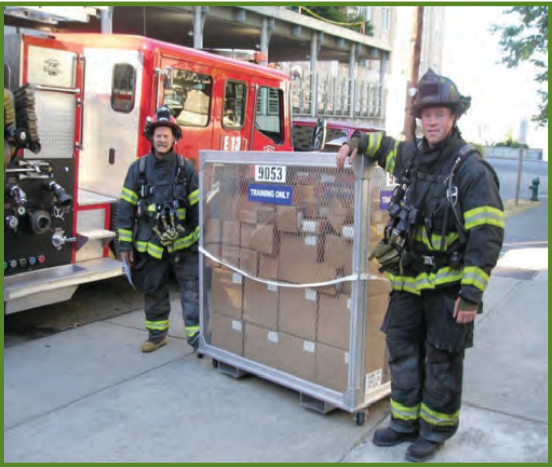
For pediatric care, EMS must ensure that providers have proper training to take care of children on a daily basis, and are familiar with pediatric dosing, pediatric equipment use, and the needs of children during a disaster. EMS personal should participate in mass-casualty incident drills and exercises involving pediatric patients. Understanding the regional pediatric capabilities, such as the location of pediatric trauma and pediatric burn centers, is necessary. Having appropriate pediatric destination protocols, equipment, and memory aids to respond to the needs of children are important parts of the EMS response.
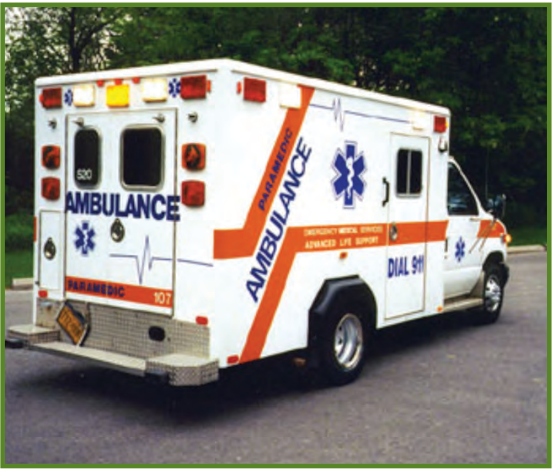
EMS “DISASTER” Response
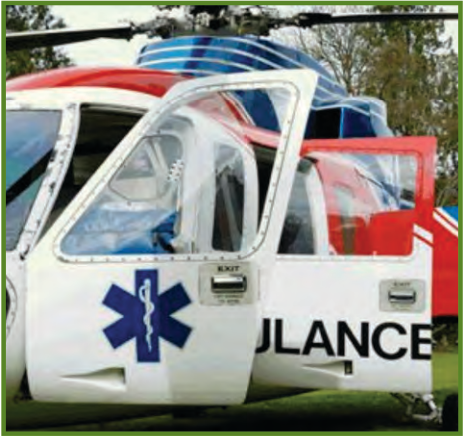
Partnerships with federal, state, and local EMS agencies exist to ensure the common goal of protection and preparedness for the states and its citizens. The local community and state leaders are responsible for their own disaster management. The responsibility of the federal government is to provide support, a framework for organization, and resources.

