Text size
Line height
Text spacing
Family presence during pediatric resuscitation can impact patient care, outcomes, and caregiver well-being. Applying trauma-informed, family-centered care ensures compassionate support during high-stress emergencies. This module offers practical strategies for integrating these principles into resuscitation scenarios. While resuscitations are emotionally intense for families, their presence can improve communication, offer comfort, and support decision-making. Structured practices help teams manage these moments with empathy and professionalism. Join this 45-minute module to enhance your ability to deliver trauma-informed, family-centered care during pediatric resuscitations—balancing clinical skill with compassionate support.
chop.edu

and

The Pediatric Pandemic Network is supported in part by the Health Resources and Services Administration (HRSA) of the U.S. Department of Health and Human Services (HHS) as part of cooperative agreements U1IMC43532 and U1IMC45814 with 0 percent financed with nongovernmental sources. The content presented here is that of the authors and does not necessarily represent the official views of, nor an endorsement by HRSA, HHS, or the U.S. Government. For more information, visit HRSA.gov.

Attribution-NonCommercial-NoDerivatives CC BY-NC-ND
You are free to download and share this work for noncommercial purposes, as long as you credit Children’s Hospital of Philadelphia for the original creation.
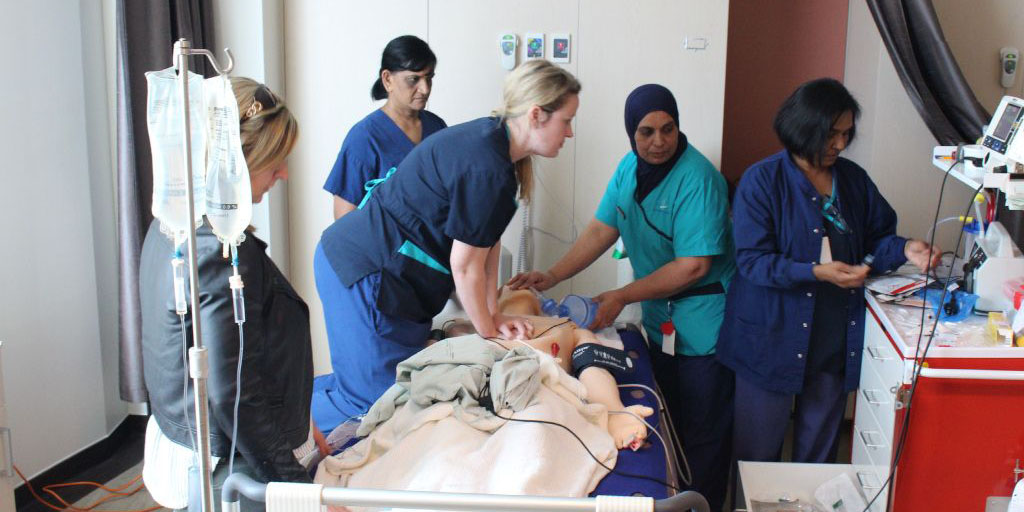
Family presence during pediatric resuscitation can impact patient care, outcomes, and caregiver well-being. Applying trauma-informed, family-centered care ensures compassionate support during high-stress emergencies. This module offers practical strategies for integrating these principles into resuscitation scenarios. While resuscitations are emotionally intense for families, their presence can improve communication, offer comfort, and support decision-making. Structured practices help teams manage these moments with empathy and professionalism. Join this 45-minute module to enhance your ability to deliver trauma-informed, family-centered care during pediatric resuscitations—balancing clinical skill with compassionate support.

