Text size
Line height
Text spacing
Pediatric fractures require a different approach than adult injuries, due to differences in bone structure and healing. This module equips healthcare professionals with essential knowledge to diagnose and treat common pediatric fractures effectively. Children’s unique bone physiology leads to distinct fracture patterns and treatment needs. Quick identification, proper pain management, and safe sedation are key. Some fractures may also signal nonaccidental trauma, making thorough evaluation critical. Spend 20 minutes with this module to strengthen your skills in assessing and managing pediatric fractures—ensuring safe, effective care for young patients.
chop.edu

and
The Pediatric Pandemic Network is supported in part by the Health Resources and Services Administration (HRSA) of the U.S. Department of Health and Human Services (HHS) as part of cooperative agreements U1IMC43532 and U1IMC45814 with 0 percent financed with nongovernmental sources. The content presented here is that of the authors and does not necessarily represent the official views of, nor an endorsement by HRSA, HHS, or the U.S. Government. For more information, visit HRSA.gov.

Attribution-NonCommercial-NoDerivatives CC BY-NC-ND
You are free to download and share this work for noncommercial purposes, as long as you credit Children’s Hospital of Philadelphia for the original creation.
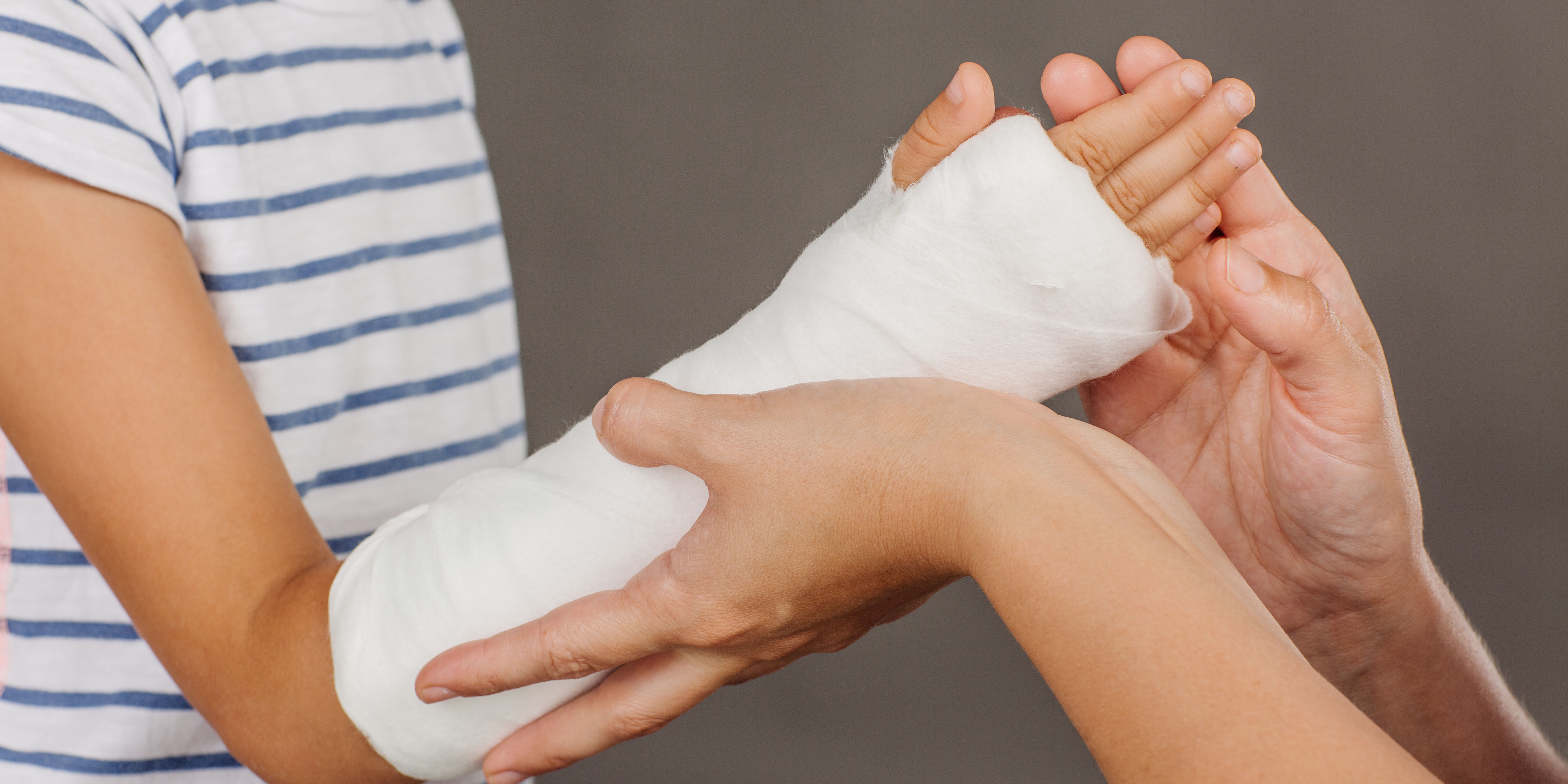
Pediatric fractures require a different approach than adult injuries, due to differences in bone structure and healing. This module equips healthcare professionals with essential knowledge to diagnose and treat common pediatric fractures effectively. Children’s unique bone physiology leads to distinct fracture patterns and treatment needs. Quick identification, proper pain management, and safe sedation are key. Some fractures may also signal nonaccidental trauma, making thorough evaluation critical. Spend 20 minutes with this module to strengthen your skills in assessing and managing pediatric fractures—ensuring safe, effective care for young patients.

